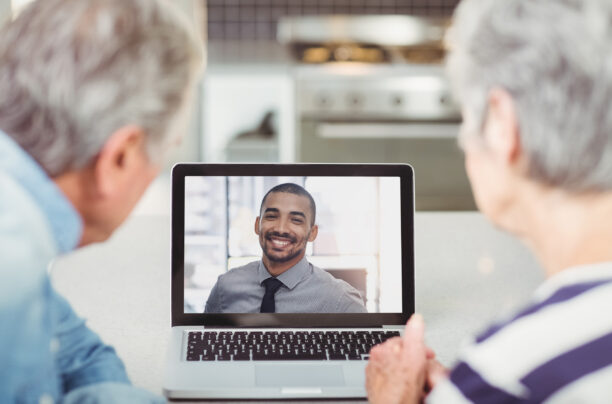
Staying in contact with clients during COVID-19
Hearing care professionals should still provide the essential care their clients need during this crisis, but do it virtually.
Guidance on audiological best practice and how to improve your business, including marketing ideas and how to stand out from your competitors.
Hearing care professionals should still provide the essential care their clients need during this crisis, but do it virtually.
As the world changes daily, you might have to adapt quickly from working in an office to working at home.
We need to think of new ways to do business while our doors are closed. Here are 3 ways to support your Marvel clients and keep cash flowing.
Audiologists possess a unique skill set that can aid in the assessment and management of listening challenges commonly experienced by children with autism.
Audiologist, Bill Campbell has practiced eAudiology for over a decade. Here are his quick tips and ideas for clinicians wanting to access clients remotely.
The thought of endless quarantine got you down? Check out these 6 tips for how to care for yourself in lock-down.
Tips hearing care professionals can share with clients to help keep them socially connected and engaged in healthy activities during the coronavirus outbreak.
Guidance on delivering eAudiology services and meeting the audiological needs of patients remotely.
Protecting our patients and staying connected with them is important during these difficult times. What can we do as hearing healthcare practitioners?
Hearing is more than sensory processing. According to Professor Barbara Weinstein, we need to begin considering hearing health and social connectedness as vital parts of healthy living and well-being.
When a patient is not benefiting from hearing aids, audiologists are uniquely positioned to help address fears and plant the seed for taking a next step for a cochlear implant consultation.
In this interview, Dr. Barbra Timmer shares how ecological momentary assessment (EMA) differs from traditional self-report measures, what the latest research has shown, and how you can use this tool in daily practice to support the entire patient journey.