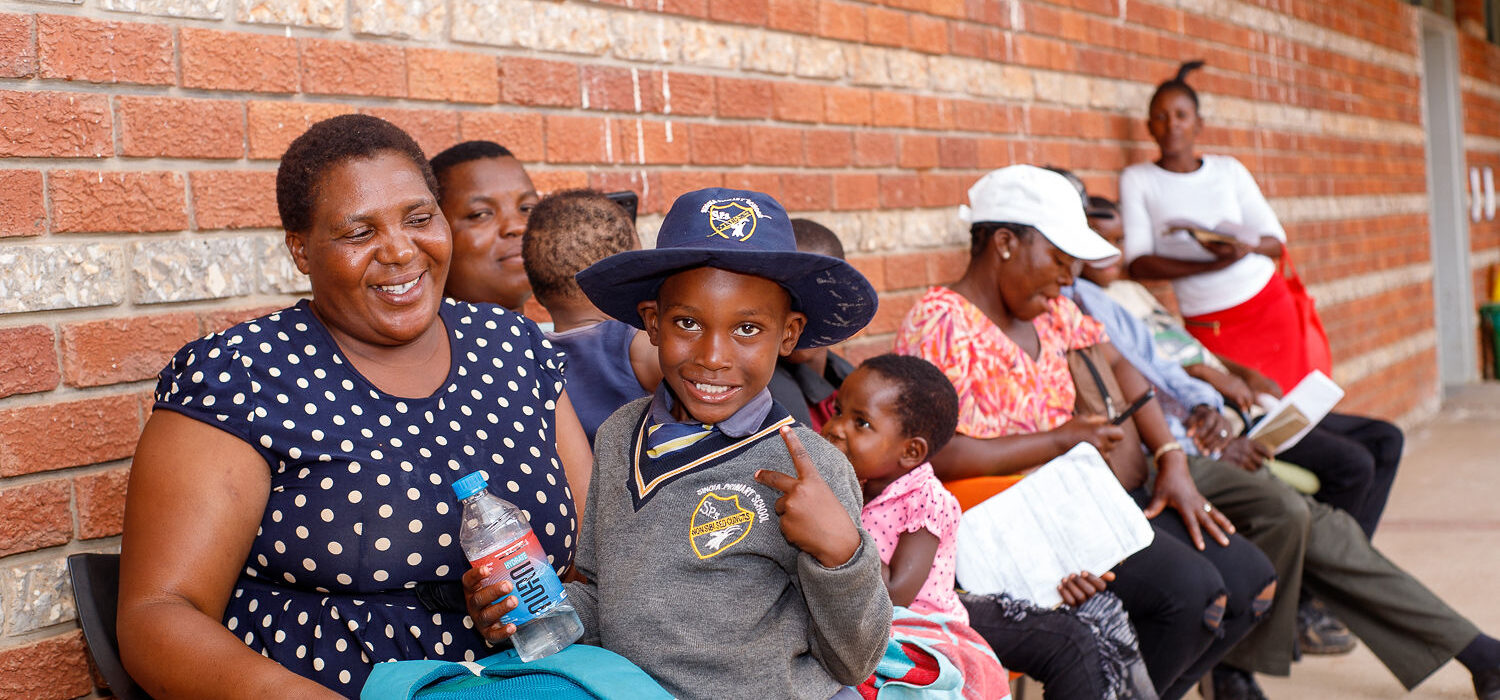
Strengthening hearing care where access is limited
How locally led hearing care in Zimbabwe, in partnership with Hear the World Foundation, is enabling earlier identification and more consistent access to sustainable care.
What happens when hearing care reaches people where they are? In Zimbabwe, the team at WizEar Zimbabwe is showing what that looks like in practice.
Across multiple regions, WizEar is expanding access to hearing and ear care through screening programs, community-based outreach, hearing aid fitting and follow-up, speech and language support, and professional training. Together, these efforts reflect an integrated approach to addressing gaps in early identification and intervention.
In 2025, I began volunteering with the Hear the World Foundation to support WizEar in strengthening its communications. Together with the WizEar team, we have created brochures, pamphlets, newsletters, and social media content to help raise awareness of their services and hearing health topics among the general public (e.g., upcoming ear camps, signs of ear infection, when to seek help). For potential donors, the focus has been on showcasing WizEar’s work and helping people understand how they can contribute to further expanding access to hearing care in Zimbabwe.
As I learned more through research and conversations with their team, I began to understand just how much local knowledge and passion sit behind their work. It also reminded me that collaborative efforts can create real momentum when they are grounded in local expertise and driven by a passionate team.
Building local capacity
One of the most striking aspects of WizEar’s work is their focus on strengthening local capacity. Alongside delivering services, they work with public hospitals, universities, and local partners to build infrastructure for ear and hearing care.
Their outreach programs bring screening and basic treatment into communities where access would otherwise be limited, allowing for earlier identification of ear conditions and hearing loss. At the same time, they are investing in workforce development by training healthcare workers and technicians to recognize conditions, provide appropriate support, and refer when needed.
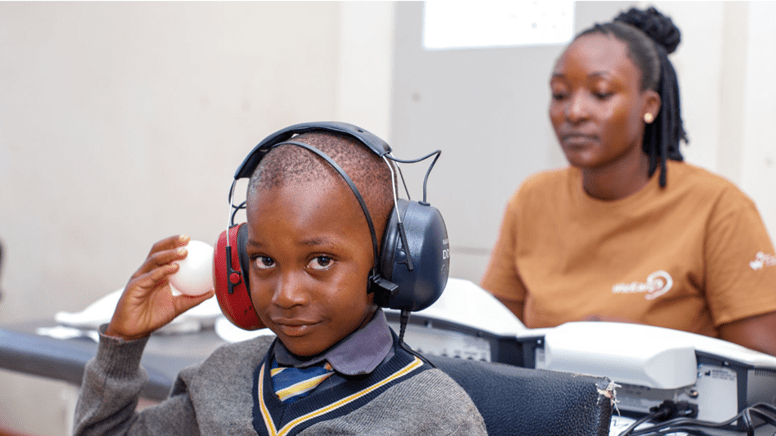
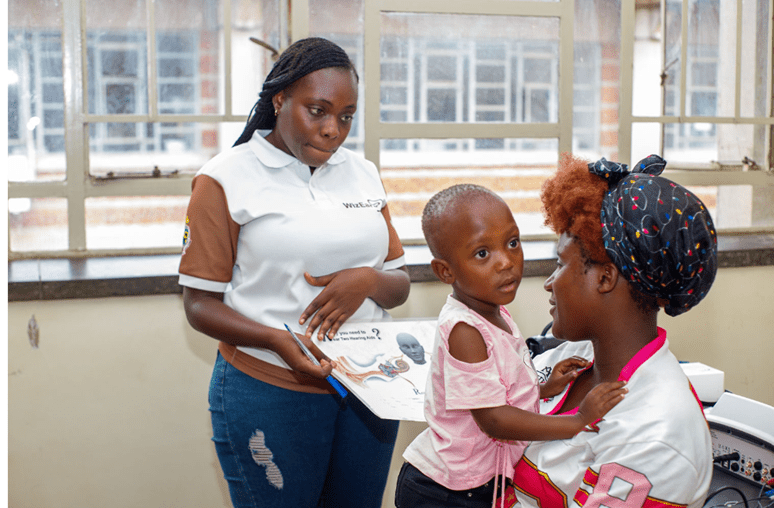
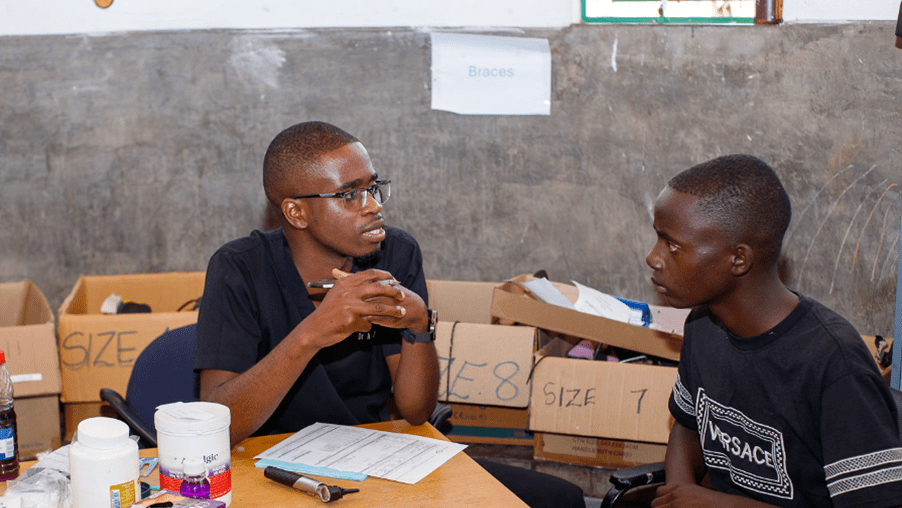
Together, these efforts help ensure that care is not only available, but also more continuous and locally supported. The three images below show different moments from WizEar ear camps, including hearing testing, counseling, and community-based care.
Supporting everyday outcomes
Their impact is already evident. Thousands of individuals have been screened, many have received hearing aids donated by the Hear the World Foundation, and hundreds of professionals have been trained. Clinically, this means more people are being identified earlier and supported through care pathways that extend beyond the initial point of contact.
What stands out in WizEar’s approach is the focus on functional outcomes. The work does not stop at identification or device fitting. It extends to helping individuals use amplification effectively and remain connected to the support they need in daily life. This reflects the reality that hearing care is not a single event, but an ongoing process.
The Hear the World Foundation
Partnerships like this are made possible through the Hear the World Foundation (HTWF).
HTWF partners with local non-profit organizations in low- and middle-income countries to support children with hearing loss. Alongside these organizations, HTWF raises awareness about hearing loss, provides them with hearing aids and technology, and supports them in training local audiologists.
This has been my third volunteer assignment with the Hear the World Foundation during my time at Phonak, following earlier work with teams in Malawi and Panama.
Across each of these experiences, what has stood out most is the commitment of local teams to building practical solutions that work within their environments. Being able to contribute, even in a small way, to these efforts has been one of the most meaningful aspects of my work at Phonak over the past ten years.
Looking ahead
Of course, there is still significant unmet need in ear and hearing care globally. But WizEar Zimbabwe demonstrates what is possible when local clinical expertise and collaborative support come together.
For those who want to support this work, donations help WizEar continue expanding access to ear and hearing care in Zimbabwe. Each person reached through WizEar’s work contributes to a stronger system for identifying and managing ear and hearing conditions over time. It is a powerful example of care that is locally rooted and built for lasting impact.
We invite you to learn more about WizEar Zimbabwe and Hear the World Foundation.