
Phonak Roger™: Accessory or accessibility?
While hearing aid accessories have not always been viewed as ‘essential’, with social distancing and wearing masks making it harder for communication, it’s time to change our mindset.
Updates on the latest innovations, including remote microphone technology, connectivity options, hearing protection and rechargeability.
While hearing aid accessories have not always been viewed as ‘essential’, with social distancing and wearing masks making it harder for communication, it’s time to change our mindset.

Phonak Roger™ is a game changer for professionals with hearing loss – now as they work remotely and when they return to the workplace.

In this interview with Jaqueline Drexler, AuD, we learn more about this ‘world’s first’ offering and how it is fulfilling a service delivery need until clients can come back into the clinic for a full hearing evaluation.

As a musician and an audiologist, I have learned that sometimes less is more. Measurement on an ear model shows that deeper fitting molds can increase average hearing aid output at the eardrum by up to 8 dB!
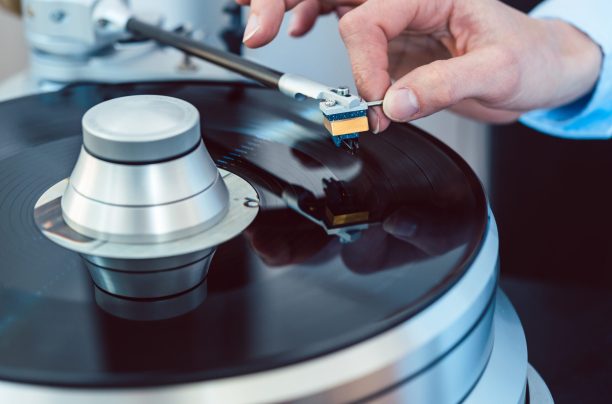
Golden cables, warm tones and lossless compression. For audiologists who are audiophiles, replicating some of the beloved inadequacies of analog technology can make sound media more appealing.

Phonak eSolutions and our eAudiology resources give you the tools, knowledge and skills needed to perform the majority of hearing care services remotely until face-to-face visits are possible again. And there’s more to come.

We need to think of new ways to do business while our doors are closed. Here are 3 ways to support your Marvel clients and keep cash flowing.
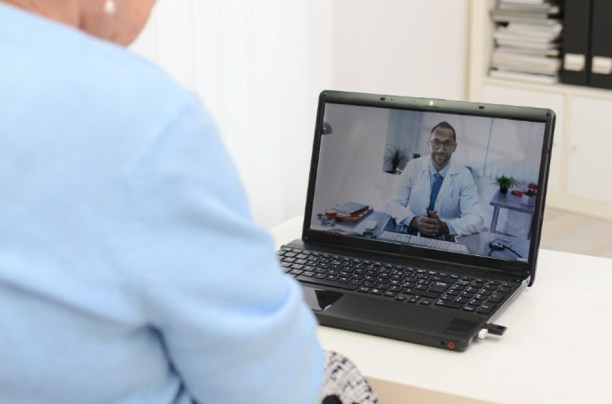
Audiologist, Bill Campbell has practiced eAudiology for over a decade. Here are his quick tips and ideas for clinicians wanting to access clients remotely.

Guidance on delivering eAudiology services and meeting the audiological needs of patients remotely.
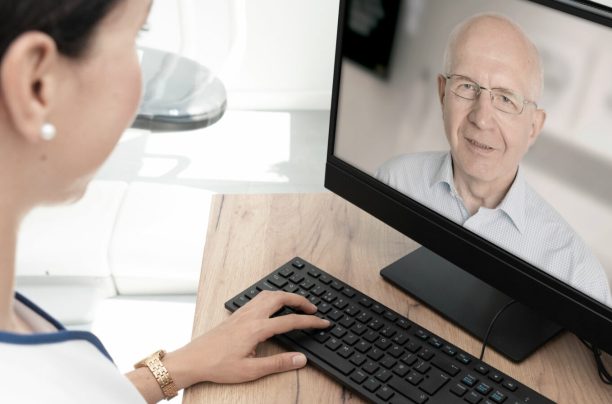
Protecting our patients and staying connected with them is important during these difficult times. What can we do as hearing healthcare practitioners?

When a patient is not benefiting from hearing aids, audiologists are uniquely positioned to help address fears and plant the seed for taking a next step for a cochlear implant consultation.

In this interview, Dr. Barbra Timmer shares how ecological momentary assessment (EMA) differs from traditional self-report measures, what the latest research has shown, and how you can use this tool in daily practice to support the entire patient journey.