
Talking with families about QoL
Extending QoL conversations from the individualized level to the family level. If we help them identify ways to make their family life happier with better hearing, we are one step closer to family-centered care.
Evidence and practical guidance relevant to audiological practice and the delivery of hearing care.
Extending QoL conversations from the individualized level to the family level. If we help them identify ways to make their family life happier with better hearing, we are one step closer to family-centered care.
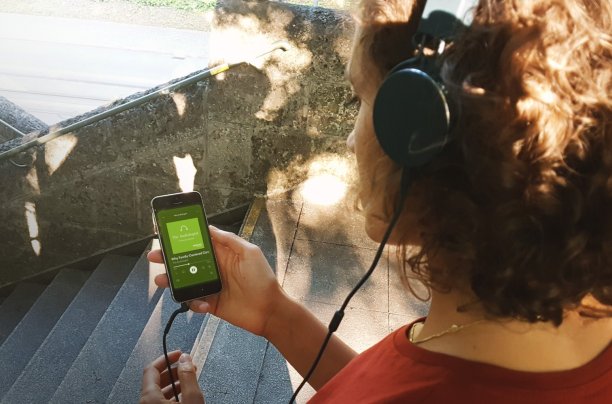
Have you already listened to the second episode of our podcast starring Joe Montano, Professor of Audiology at Weill Cornell Medical College, New York?

Two drivers, one bus – A novel tool for promoting pediatric family-centered care.

Family members can help patients with hearing loss make decisions about their management options. And when supportive, they can even increase the uptake of hearing aids.

Welcome to our brand-new podcast series on Family-Centered Care! In the first episode, Louise Hickson tells us why there is no need for mixed feelings about involving the family into hearing care. Listen in!

With a little guidance from hearing care professionals on how to make Roger™ use a habit, those with hearing loss can fully reap the rewards of improved attentional load and not miss life’s ‘invisible gorillas’.

Audiologists are taught the importance of the audiogram. For good reason, as audiometry is the gold standard for diagnostics. But there is more to life than pure tones in quiet, right?

When schedules and distance prevent families from attending consults, technology offers hearing care professionals an easy and convenient solution.

On a daily basis, teens contend with complicated problems and choices. Talking about complications can help.

Once we identify the obstacles that are preventing us from implementing a family-centered approach, we can brainstorm and find facilitators to overcome them.

Bringing adults with hearing loss and their family members together to problem solve day-to-day communication is a brilliant way to provide family-centered hearing care.

My husband knows when I struggle to hear and fills the blind spot in the dialogue with my HCP. Family-centered care ensures we work together towards solutions that fit our true needs.